Tree Removal Questions, Answered Plainly
Answers to common questions
How do I know if a tree needs to come down?
Look for a leaning trunk, deep cracks, dead limbs, fungus at the base, or roots lifting the soil. Any one of these can mean the tree is unstable. A tree touching a roof, wire or foundation is a higher concern. Take photos first, always. A local provider can then judge whether removal or pruning makes more sense.
When is the ideal time of year for tree removal?
Timing depends on the tree and the site. Winter often suits removal because frozen ground carries heavy equipment with less lawn damage, and bare branches are easier to read. Spring thaw can leave soil soft. Dead or leaning trees should not wait for a season. Ask each provider what timing they suggest and why.
How can I prevent a tree from becoming dangerous?
Prune dead wood, keep mulch off the trunk, and watch for changes after storms. Heavy snow, ice and freeze-thaw cycles stress older trees and can crack limbs or heave roots. Photograph the tree each season. Dated images help you spot change and give providers a clear record when you request an estimate.
What should I expect on the day of removal?
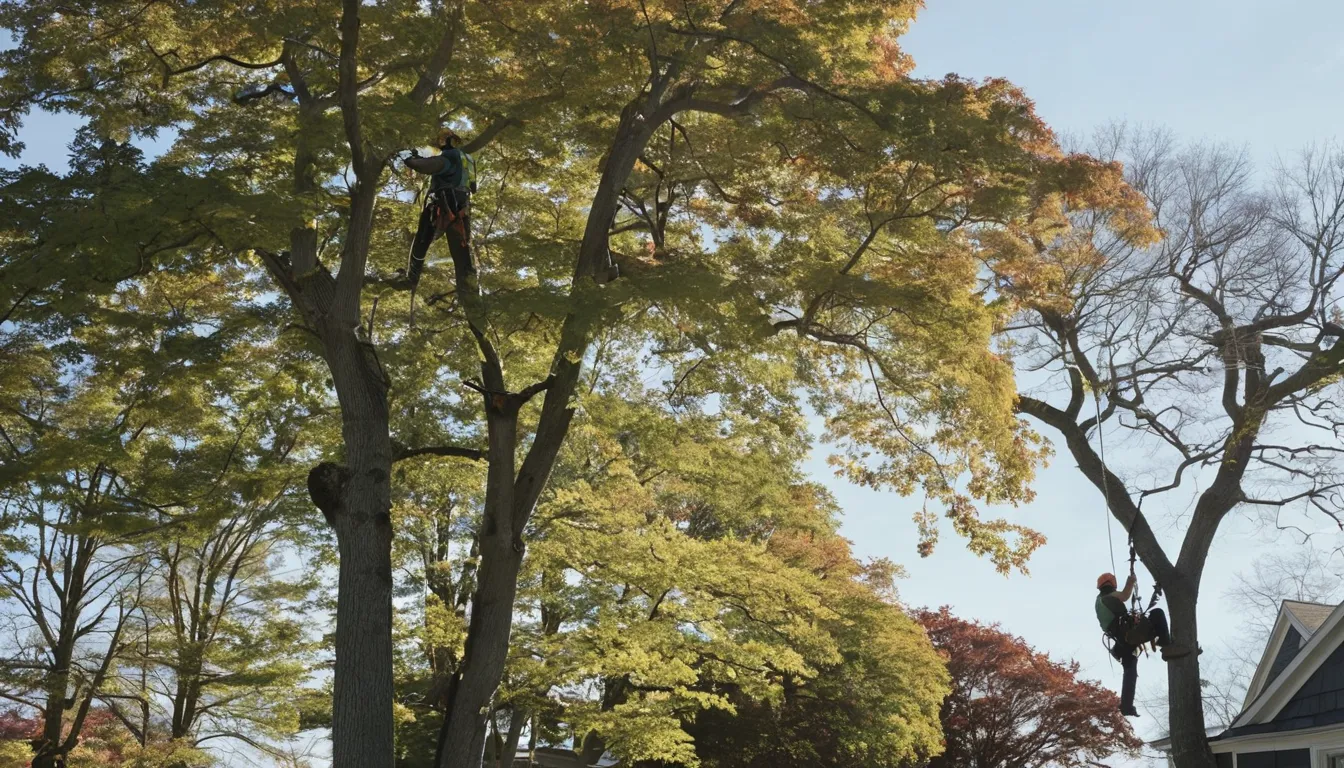
Providers usually set up a work zone, then take the tree down in sections or in one piece if space allows. Wood is cut and cleared based on what you agreed in writing. Confirm in advance whether stump work and debris hauling are included. Move cars and outdoor items away from the area.
Is stump grinding part of tree removal?
Not always. Stump grinding is a separate step where a machine shreds the stump below ground level. Some providers bundle it, others price it apart. Ask for it as its own line on the written quote, so you can compare estimates fairly.
How do I compare tree removal estimates?
Compare the same scope each time: tree size, cleanup, wood haul-away, stump work and access needs. Typical U.S. residential jobs often range from a few hundred dollars to several thousand, depending on height, condition and location. Get quotes in writing. Compare, then decide. You are never obligated to accept one.
What should I ask before hiring a provider?
Ask whether they carry liability insurance and workers' compensation, and request proof directly from them. Ask who will be on site, how they protect your lawn and structures, and how cleanup works. A reliable provider answers clearly and puts the details in writing. Providers do the work, so verify their credentials yourself.
Might my insurance help with a fallen tree?
Some policies may cover sudden damage, such as a storm-felled tree striking your home. Coverage varies, so check your policy and speak with your insurer. Providers can often help document damage for a claim. Keep photos, notes, receipts and written quotes together in one folder before any conversation.
Reach a local provider
Request a callback to check provider availability, or send a request through the form. Share a few photos and details, and compare what comes back.
No obligation